


Ishaan Home Health Care began in [year] with a simple aim: helping families find dependable, professional care at home. In [10+ years, if verified], we have grown from a small team into a network of nurses, patient care attendants, and elderly care specialists who stand by families during recovery, long-term illness, and the changes that come with ageing.
Every patient deserves respect, regardless of age or health condition. Our caregivers are trained to maintain privacy during personal care, speak courteously, and include the patient in choices about their own daily routine whenever they can.
Healing and everyday life feel easier in a familiar setting. We shape care around the patient's habits, meals, sleep, and preferences, so home continues to feel like home.
Safe care starts with the right person for each task. Nurses perform clinical tasks as prescribed by the doctor, while attendants help with daily needs. Our caregivers are [verified and trained] before they are placed, and we advise calling the doctor or arranging hospital care if a patient's condition changes.
Every patient's needs are different. We start with an assessment and design a care plan around the patient's condition, the doctor's advice, language, and family routine, then update it as needs change.
Families should not have to ask again and again for news. Our coordinators can be reached by phone and WhatsApp, and caregivers pass on their daily observations to the family [confirm].
Nobody knows the patient better than the family. We hear their worries, include them in the care plan, and show them easy ways to help, from safe transfers to daily handling, so they feel confident and never left out.
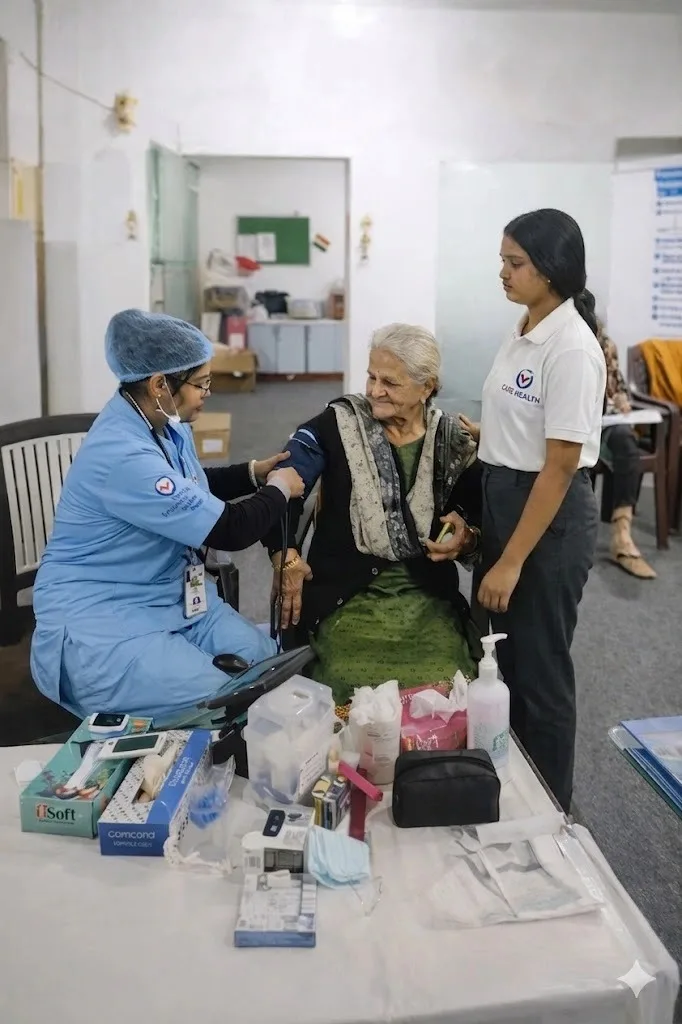
Nurses carry out clinical tasks advised by the treating doctor, including medicine support, wound dressing, injections, and checking vitals. They can come for fixed hours or stay on longer shifts.
Request a Caregiver →
Attendants take care of daily needs such as bathing, feeding, hygiene, movement, and comfort. Both male and female attendants can be arranged on request.
Request a Caregiver →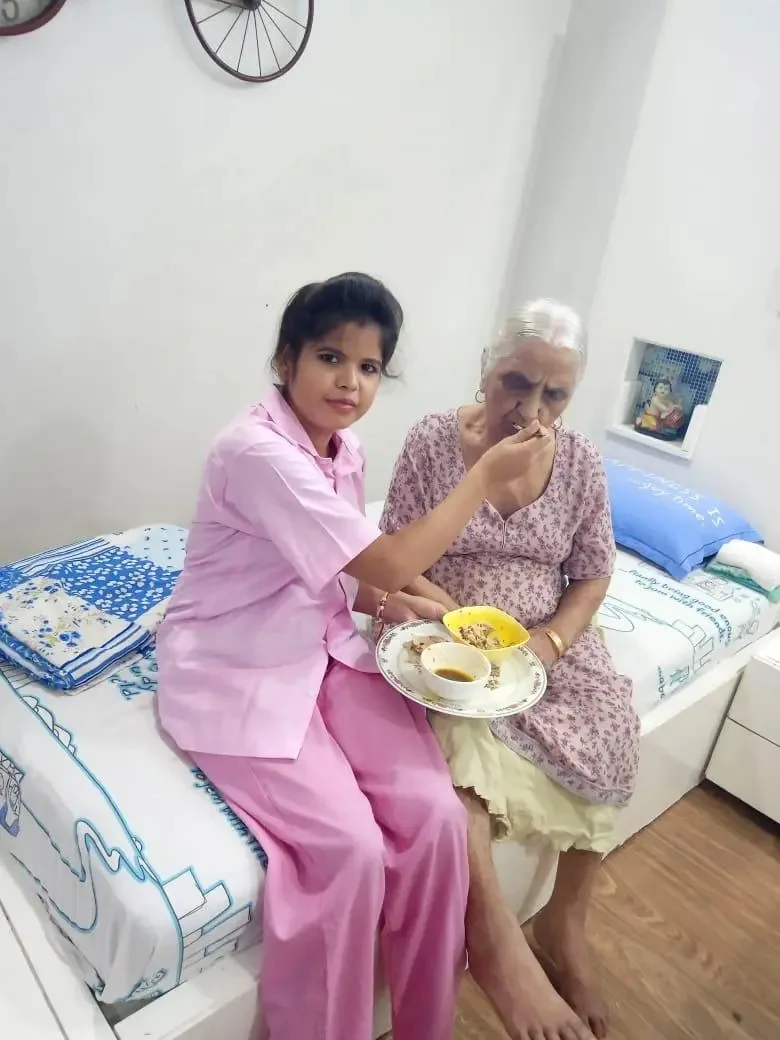
Experienced caregivers who help seniors with daily routines, medicine reminders, companionship, and a safe home environment, whether for a few hours a day or round the clock.
Request a Caregiver →
Caregivers who help families look after newborns and infants, covering feeding routines, hygiene, and sleep schedules, while also guiding new parents along the way.
Request a Caregiver →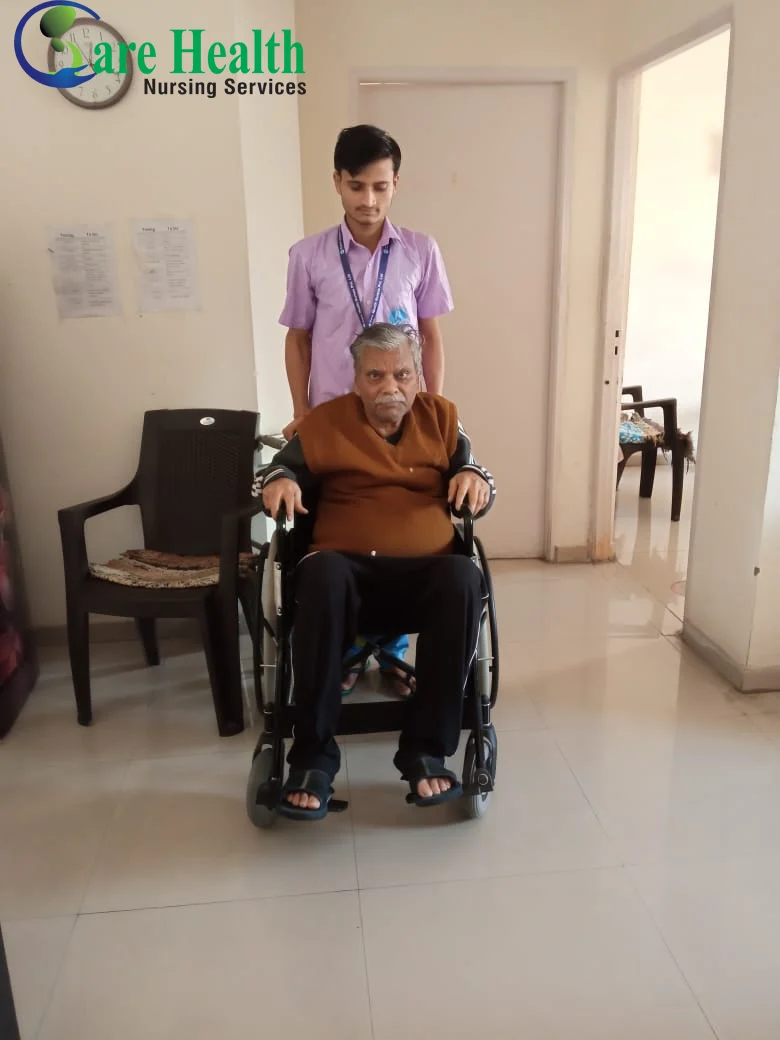
Caregivers experienced with conditions like stroke, paralysis, Parkinson's, dementia, and recovery after surgery. They assist the patient as per the doctor's instructions and do not diagnose or treat.
Request a Caregiver →Every patient is cared for like a member of our own family. Kindness, patience, and empathy matter more than speed.
Well-defined care plans, trained caregivers, and transparent communication. Each caregiver works within their own role and follows the treating doctor's advice.
The right person for every task, thoughtful matching, and quick advice to call the doctor or arrange hospital care when a patient's condition changes.
Every patient receives courtesy and privacy, whatever their age, background, or health condition, and is involved in decisions about their own care wherever possible.
Families should be able to depend on us. We work towards punctual caregivers, steady care, and a coordinator who responds whenever you need help.
We first get to know the patient: their health condition, the doctor's advice, daily routine, mobility, diet, language, and home environment. If a prescription or discharge summary is available, we go through it.
What we learn is turned into a written care plan with duties, daily schedule, hours, and precautions. Clinical tasks (for nurses, as prescribed) are kept separate from daily-living help (for attendants), and the family reviews the plan before care begins.
We choose the caregiver to fit the plan, not just whoever is available. Their experience with the patient's condition, language, gender preference, and location are all taken into account.
Care starts with a handover covering the patient's routine, medicines, likes and dislikes, and warning signs to watch for. The caregiver follows the agreed plan, and anything outside their role is passed on to the nurse or the doctor.
Families get regular updates through an agreed channel, such as phone or WhatsApp, about how the patient ate, slept, moved, and felt [confirm].
Care does not stay fixed after it begins. Our coordinator follows up after the first day and then at regular intervals [confirm schedule], checks how the patient is doing, and revises the plan, changes the caregiver, or advises calling the doctor if the patient's condition changes.
